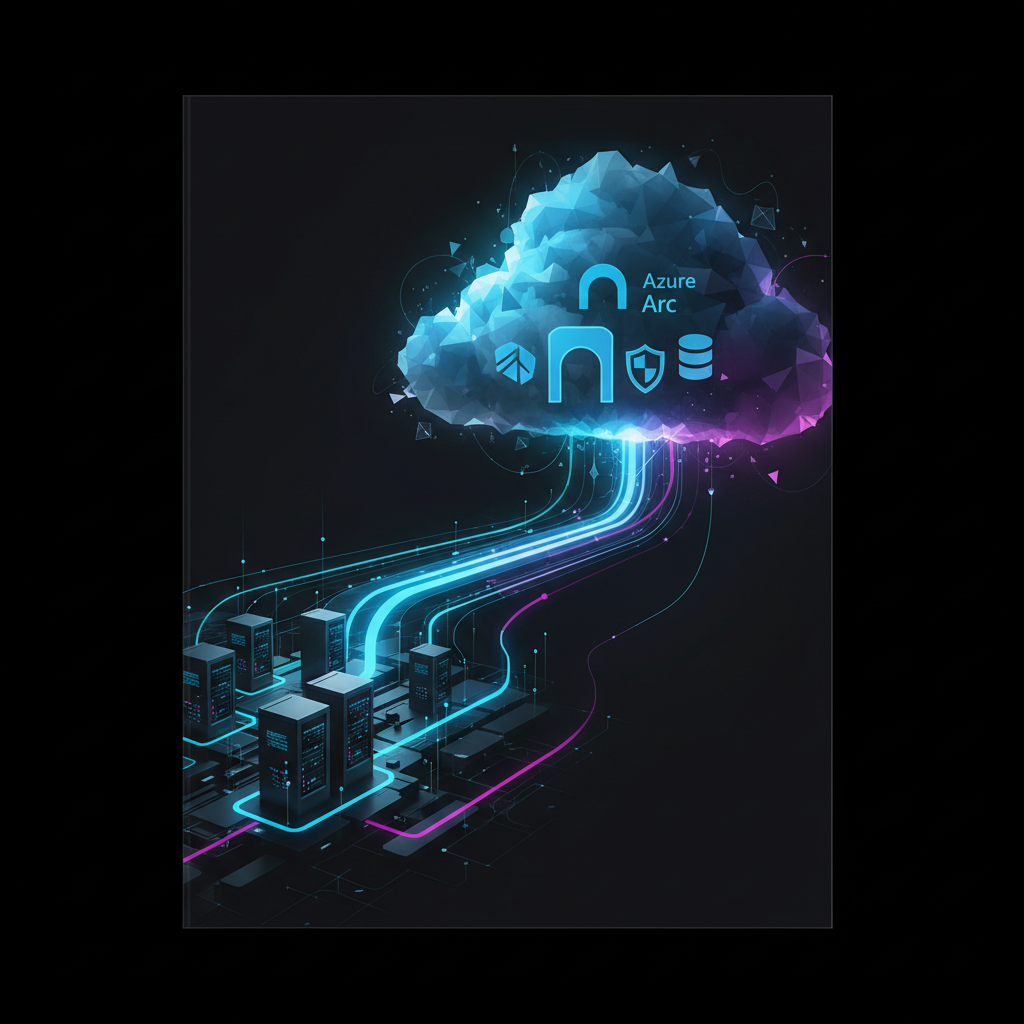
Azure Hybrid Infrastructure: Bridging On-Prem and Cloud Environments
August 8, 2026
Azure Hybrid Infrastructure seamlessly connects your on-premises data centers with Microsoft Azure, offering a flexible and efficient path to cloud integration. This approach empowers organizations to leverage cloud benefits without fully abandoning existing infrastructure investments.
Azure Hybrid Infrastructure provides a strategic bridge between your existing on-premises systems and the scalable, agile capabilities of Microsoft Azure. This integration allows businesses to modernize operations, enhance security, and optimize resource utilization by extending their data center to the cloud without a full migration.
The Hybrid Infrastructure Challenge
Many organizations operate critical applications and data on-premises due to compliance requirements, performance needs, or significant existing investments. However, they also recognize the substantial benefits of cloud computing, such as scalability, disaster recovery, and advanced services. The challenge lies in seamlessly integrating these disparate environments without creating complex, unmanageable silos.
Without a cohesive strategy, businesses often face:
- Operational silos: Disconnected management and security across on-premises and cloud resources.
- Inefficient resource allocation: Underutilized on-premises hardware alongside cloud sprawl.
- Data gravity issues: Difficulty moving large datasets between environments.
- Security gaps: Inconsistent security policies and controls across hybrid landscapes.
Who Needs Azure Hybrid Infrastructure?
Organizations that benefit most from an Azure Hybrid Infrastructure approach are those that:
- Are not ready for a full cloud migration: This could be due to regulatory constraints, application dependencies, or a desire for a phased approach.
- Require specific workloads to remain on-premises: Certain applications may need to stay in a local data center for latency, data sovereignty, or hardware-specific reasons.
- Seek to extend their data center capabilities: They want to leverage Azure for disaster recovery, backup, burst capacity, or specialized services without replicating everything in the cloud.
- Aim to unify management: A single control plane for both on-premises and cloud resources is a key driver.
"The future of IT infrastructure is increasingly hybrid, blending the control of on-premises environments with the agility and scale of the cloud. This strategic integration is not about compromise, but about optimized performance and resilience."
How Lyra Delivers Seamless Hybrid Integration
Lyra designs, implements, and manages robust Azure Hybrid Infrastructure solutions tailored to your specific business needs. Our approach focuses on creating a unified operational experience, leveraging core Microsoft technologies to bridge your on-premises and Azure environments.
We utilize technologies such as:
- Azure Arc: This extends Azure management capabilities and services to any infrastructure, including on-premises servers, other clouds, and edge devices. It enables centralized governance, security, and operations.
- Azure Stack HCI: A hyperconverged infrastructure (HCI) solution that runs Windows and Linux virtualized workloads on-premises, integrating with Azure services for hybrid capabilities.
- ExpressRoute: Provides a private, dedicated connection to Microsoft Azure, bypassing the public internet for enhanced security, reliability, and speed. This is crucial for high-bandwidth, low-latency requirements.
- Hybrid Identity: We implement solutions that synchronize your on-premises identities with Azure Active Directory (Azure AD), ensuring single sign-on and consistent access control across your hybrid landscape.
Our expertise in these areas ensures a smooth transition and ongoing management of your Azure Hybrid Infrastructure.
Real-World Scenarios for Hybrid Success
Consider these practical applications of a well-architected Azure Hybrid Infrastructure:
Disaster Recovery and Business Continuity
Businesses can use Azure as a cost-effective and scalable disaster recovery site for their on-premises workloads. Critical applications and data can be replicated to Azure, allowing for rapid failover in the event of an on-premises outage, minimizing downtime and data loss.
Data Archiving and Backup
Leverage Azure Storage for long-term archiving and cost-effective backups of on-premises data. This provides durable, geo-redundant storage with flexible retention policies, reducing the burden on local storage systems.
Application Modernization and Development
Run existing applications on-premises while using Azure services for new development, analytics, or specialized functions. For instance, an on-premises database can connect to an Azure-hosted analytics platform, enabling new insights without a full data migration.
Burst Capacity and Seasonal Scaling
For workloads with fluctuating demands, use Azure to provide burst capacity. During peak seasons or unexpected spikes, applications can seamlessly scale into Azure, ensuring consistent performance without over-provisioning on-premises hardware.
Common Misconceptions About Hybrid Cloud
There are several misunderstandings about hybrid cloud environments that can hinder effective planning:
- Misconception 1: Hybrid means "half in the cloud." It doesn't. Hybrid means integrated. It's about strategically placing workloads where they best fit, not simply dividing them equally.
- Misconception 2: It's just for temporary migrations. While hybrid can facilitate migration, it's a durable architecture for many organizations, offering long-term flexibility.
- Misconception 3: It's inherently more complex to manage. With the right tools (like Azure Arc) and expertise (like Lyra's), a hybrid environment can be centrally managed and more efficient than disparate systems.
Complementing Incident Response & Recovery
Lyra's Azure Hybrid Infrastructure services significantly bolster our core Incident Response & Recovery capabilities. A well-designed hybrid environment provides inherent resilience and better forensic capabilities. With centralized management through Azure Arc, security policies can be consistently applied across both on-premises and cloud assets.
In the event of a security incident, the ability to:
- Isolate affected systems: Rapidly quarantine compromised on-premises or cloud resources.
- Leverage cloud-based security tools: Utilize Azure Security Center, Sentinel, and other services for enhanced threat detection and response across your entire estate.
- Expedite recovery: Restore operations using cloud backups and disaster recovery solutions, minimizing business disruption.
This unified approach to infrastructure and security means faster detection, containment, and recovery from cyber threats, ultimately reducing the financial and reputational impact on your organization. Our expertise in Managed Detection and Response further strengthens this position by providing 24/7 monitoring and active threat hunting across your hybrid estate.
How Lyra Helps
Navigating the complexities of hybrid environments requires specialized knowledge and strategic planning. Lyra provides expert guidance and hands-on implementation to ensure your Azure Hybrid Infrastructure is secure, efficient, and aligned with your business objectives. Our team helps you unlock the full potential of Azure while optimizing your existing investments. Whether you're starting your hybrid journey or optimizing an existing setup, Lyra is your trusted partner.
Contact Lyra today to discuss how a tailored Azure Hybrid Infrastructure can transform your IT operations. Learn more about our comprehensive solutions.