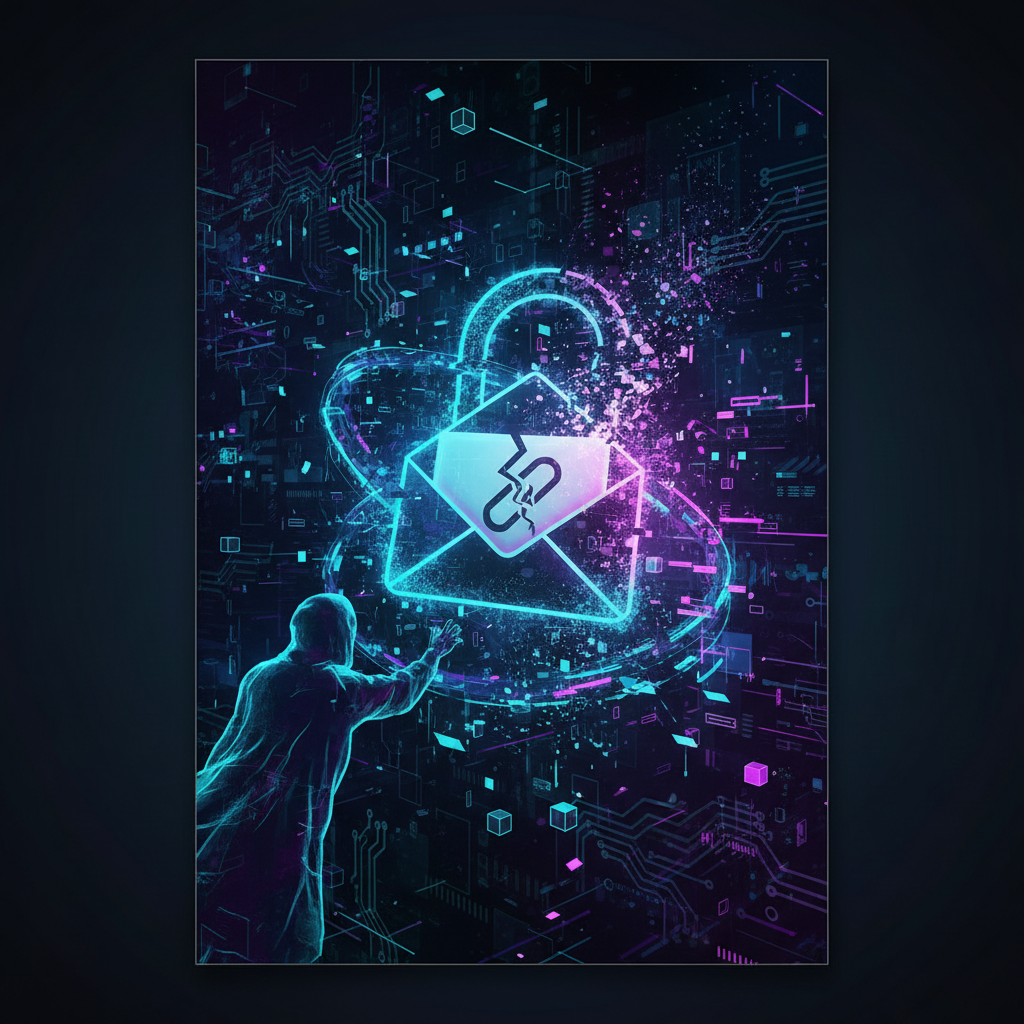
Email Compromise Incident: Lessons from the Bank of Baroda Breach
July 30, 2026
The recent Bank of Baroda cybersecurity incident, stemming from a compromised employee email, highlights critical vulnerabilities in organizational security. This breach underscores the importance of robust defenses against common attack vectors and effective incident response planning.
The recent cybersecurity incident at India's Bank of Baroda, where a compromised employee email account led to unauthorized access and data theft, serves as a stark reminder for organizations globally. This event, reported by The Record, underscores the persistent threat of common attack vectors and the vital need for stringent security measures and a well-defined incident response plan.
The Anatomy of an Email Compromise
An email compromise typically begins with an attacker gaining unauthorized access to an employee's email account. This can occur through various methods, including phishing attacks, credential stuffing, or malware. Once inside, attackers can impersonate the employee, access sensitive information, or launch further attacks within the organization.
In the Bank of Baroda incident, the reported cause was a compromised employee email account. This granted malicious actors access to "certain data." The exact nature and extent of the data compromised were not immediately disclosed, but any unauthorized access to an organization's internal systems carries significant risk.
Common Attack Vectors Leading to Compromise
Email compromise incidents rarely happen in isolation. They are often the culmination of successful attacks utilizing common vectors:
- Phishing: This remains a leading cause. Attackers send deceptive emails to trick employees into revealing credentials or downloading malicious attachments.
- Weak Credentials: Easily guessed or reused passwords across multiple platforms make accounts vulnerable to credential stuffing attacks, where attackers use breached credentials from one site to gain access to another.
- Lack of Multi-Factor Authentication (MFA): Without MFA, a compromised password is often all an attacker needs to gain full access. MFA adds an essential layer of security.
- Outdated Software: Vulnerabilities in email clients or operating systems can be exploited by attackers to gain access.
- Insider Threats: While most incidents are external, careless or malicious insiders can also contribute to email compromise by mishandling credentials or inadvertently exposing access.
Business Impacts of a Data Breach
The consequences of a data breach, especially one involving a financial institution, can be severe and far-reaching. Beyond the immediate operational disruption, organizations face:
- Financial Losses: Costs associated with incident response, forensics, legal fees, regulatory fines, and potential lawsuits.
- Reputational Damage: Loss of customer trust and public confidence can be difficult to rebuild, impacting future business.
- Regulatory Scrutiny: Increased oversight from regulatory bodies, potentially leading to additional penalties and compliance requirements.
- Operational Disruption: Business processes can halt or slow down during an investigation and recovery, affecting productivity and revenue.
- Data Exploitation: Stolen data can be sold on the dark web, used for identity theft, or leveraged for further sophisticated attacks.
"In today's interconnected digital landscape, every organization is a target. The proactive implementation of robust cybersecurity measures is no longer optional; it is a foundational requirement for business continuity and trust."
Actionable Takeaways from the Incident
Organizations can learn critical lessons from incidents like the Bank of Baroda breach to bolster their own defenses:
- Implement Strong Multi-Factor Authentication (MFA): Make MFA mandatory for all employee accounts, especially for access to critical systems and email. This significantly reduces the risk of credential compromise.
- Regular Cybersecurity Awareness Training: Continuously educate employees on recognizing phishing attempts, practicing strong password hygiene, and understanding the risks associated with suspicious emails. Cybersecurity Awareness and Phishing Training can turn your workforce into a strong first line of defense.
- Robust Identity and Access Management (IAM): Regularly review and audit user access permissions. Implement Privileged Access Management (PAM) to secure privileged accounts, limiting their use and monitoring their activity. Consider solutions like Privileged Access Management to lock down critical access.
- Endpoint Detection and Response (EDR) and Managed Detection and Response (MDR): Deploy EDR tools to gain deep visibility into endpoint activity and quickly detect and respond to threats. Supplement this with Managed Detection and Response services for 24/7 monitoring and expert threat hunting. Managed Detection and Response provides constant vigilance and expert intervention.
- Develop and Practice an Incident Response Plan: A well-defined incident response plan is crucial. This includes clear steps for identification, containment, eradication, recovery, and post-incident analysis. Regularly test this plan through tabletop exercises.
How Lyra Helps
Lyra specializes in helping organizations prepare for, respond to, and recover from cybersecurity incidents like the one experienced by Bank of Baroda. Our flagship Incident Response & Recovery service provides an immediate and comprehensive approach to mitigating the damage of a breach. We offer expert guidance to minimize business disruption, contain threats, and restore operations efficiently. Our team can help you develop a proactive cybersecurity strategy, implement robust controls, and ensure compliance with industry standards.
From conducting Vulnerability Assessments to identify weaknesses before attackers do, to providing Managed Threat Intelligence to stay ahead of emerging threats, Lyra offers a full suite of services designed to enhance your security posture. We focus on practical, effective solutions that protect your assets and maintain your operational continuity.
Don't wait for an incident to strike. Partner with Lyra to strengthen your defenses and ensure your organization is resilient against evolving cyber threats. Our team is ready to help you navigate the complexities of cybersecurity and protect your most valuable assets. Contact Lyra today to discuss your organization's unique security needs.