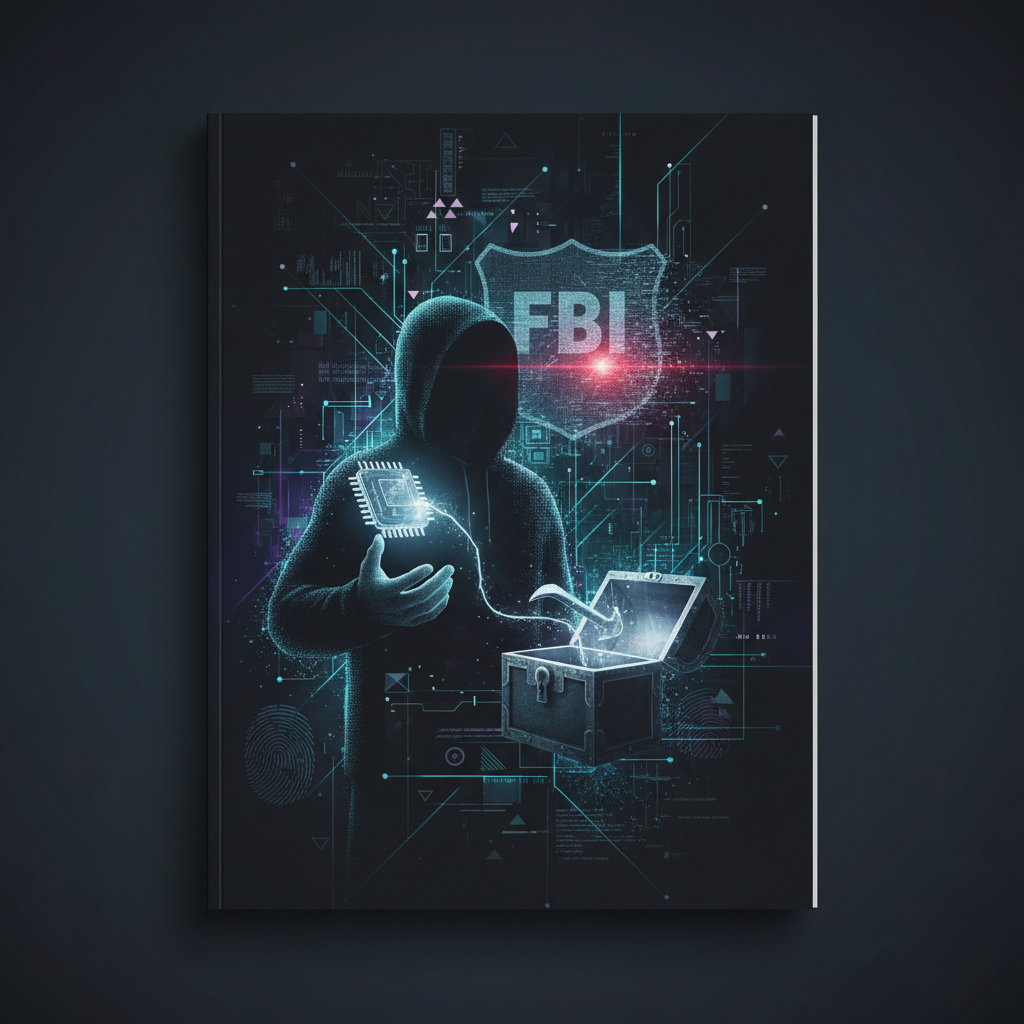
In-Person Data Theft: The Silent Ransom Group’s Evolving Tactics
May 29, 2026
The FBI has issued a warning regarding the Silent Ransom Group (SRG), an extortion gang now conducting in-person data theft attacks against U.S.-based law firms. This new tactic introduces a physical dimension to cyber threats, demanding a reevaluation of traditional cybersecurity defenses and incident response strategies.
The Silent Ransom Group (SRG) has escalated its tactics, moving beyond purely digital intrusions to include in-person data theft attacks. This development, highlighted by a recent FBI warning, signifies a critical shift in the threat landscape. Organizations, especially those in sectors handling sensitive information like law firms, must now consider potential vulnerabilities extending beyond their network perimeters.
This evolution underscores a broader trend: cyber attackers relentlessly seek novel ways to compromise systems and extort data. Relying solely on remote defenses is no longer sufficient when adversaries are willing to physically infiltrate locations. Understanding the specifics of this new threat and implementing comprehensive strategies are vital for effective incident response and recovery.
The Anatomy of an In-Person Data Theft Attack
Unlike traditional ransomware or data exfiltration events that operate entirely virtually, the Silent Ransom Group's new approach introduces a physical element. The FBI's warning describes scenarios where the group targets U.S.-based law firms, moving beyond digital exploits to a more direct form of access.
This could involve gaining unauthorized physical access to facilities. Once inside, attackers might connect devices directly to the network, copy data from unmonitored workstations, or even physically remove storage media. This blend of physical and digital attack vectors makes detection and containment significantly more complex, challenging established security protocols.
The Attack Vector: Bridging Physical and Digital
The primary attack vector for these in-person thefts combines social engineering with physical intrusion. Threat actors may exploit weak physical security measures, impersonate legitimate personnel, or leverage insider access. Once they have a physical presence, the digital phase of the attack begins.
This might include directly plugging in devices to bypass perimeter defenses, using portable storage to exfiltrate data, or installing malware that establishes a persistent remote connection. This highlights a critical gap in many organizations' security postures: a strong focus on cyber defenses but a potential blind spot regarding physical security vulnerabilities.
"Cybersecurity is no longer just about firewalls and antivirus. It's about securing every potential point of entry, whether virtual or physical."
Significant Business Impact and Operational Disruptions
The impact of an in-person data theft attack extends far beyond typical data breaches. Beyond the direct loss of sensitive information, businesses face severe consequences:
- Reputational Damage: The public and clients may lose trust in an organization that cannot secure its physical premises, alongside its digital assets.
- Regulatory Fines and Legal Ramifications: Breaches involving protected data, especially in industries like legal or healthcare, can lead to substantial fines and complex legal battles. Organizations must understand their obligations regarding compliance frameworks.
- Operational Downtime: Investigating a breach with a physical component can be more arduous, leading to extended periods of operational disruption as systems are analyzed and potentially rebuilt.
- Financial Costs: Recovering from such an incident involves forensic investigations, legal fees, notification costs, and potential payouts for identity theft protection for affected individuals.
These impacts underscore the necessity of a robust cyber financial risk impact assessment to understand the potential monetary fallout from such an event.
Lessons Learned from Evolving Threats
The Silent Ransom Group’s tactics offer crucial lessons for all organizations:
- Integrate Physical and Cyber Security: Security strategies must encompass both digital and physical safeguards. This includes access controls, surveillance, and employee training on suspicious physical activity. Neglecting one aspect leaves a significant vulnerability.
- Robust Incident Response Planning: Organizations need a well-defined and regularly tested incident response plan that accounts for physical breaches. This plan should detail steps for detection, containment, eradication, recovery, and post-incident analysis for both digital and physical elements. Lyra's Incident Response & Recovery capabilities are designed for this.
- Employee Awareness is Key: Employees are often the first line of defense. Training should extend beyond phishing awareness to include identifying suspicious individuals on premises, challenging unknown persons, and understanding protocols for securing physical assets.
- Endpoint and Network Monitoring: Even with physical access, threat actors still need to interact with endpoints and networks. Advanced endpoint detection and response (EDR) and managed detection and response (MDR) solutions can detect anomalous activities indicative of unauthorized access, regardless of how it was achieved.
- Multi-Factor Authentication (MFA) Everywhere: While a physical breach is a concern, strong MFA can still prevent unauthorized access to systems and sensitive data even if a device is compromised physically. This adds another layer of defense against credential theft, whether digital or physical.
How Lyra Helps
Lyra provides comprehensive Incident Response & Recovery services designed to help organizations prepare for and swiftly address complex cybersecurity incidents, including those with physical components. Our approach combines proactive defense strategies with rapid response capabilities.
We assist in developing robust security postures that integrate physical and digital safeguards, conduct vulnerability assessments to identify weaknesses, and implement advanced monitoring solutions like SIEM and EDR. In the event of a breach, our expert team provides immediate support for containment, eradication, recovery, and post-incident analysis, minimizing downtime and mitigating financial and reputational damage.
Protecting your organization from evolving threats like in-person data theft requires a proactive and comprehensive strategy. Contact Lyra today to discuss how our Incident Response & Recovery services can safeguard your critical assets and ensure business continuity. We help you navigate the complexities of modern cyber threats with confidence.