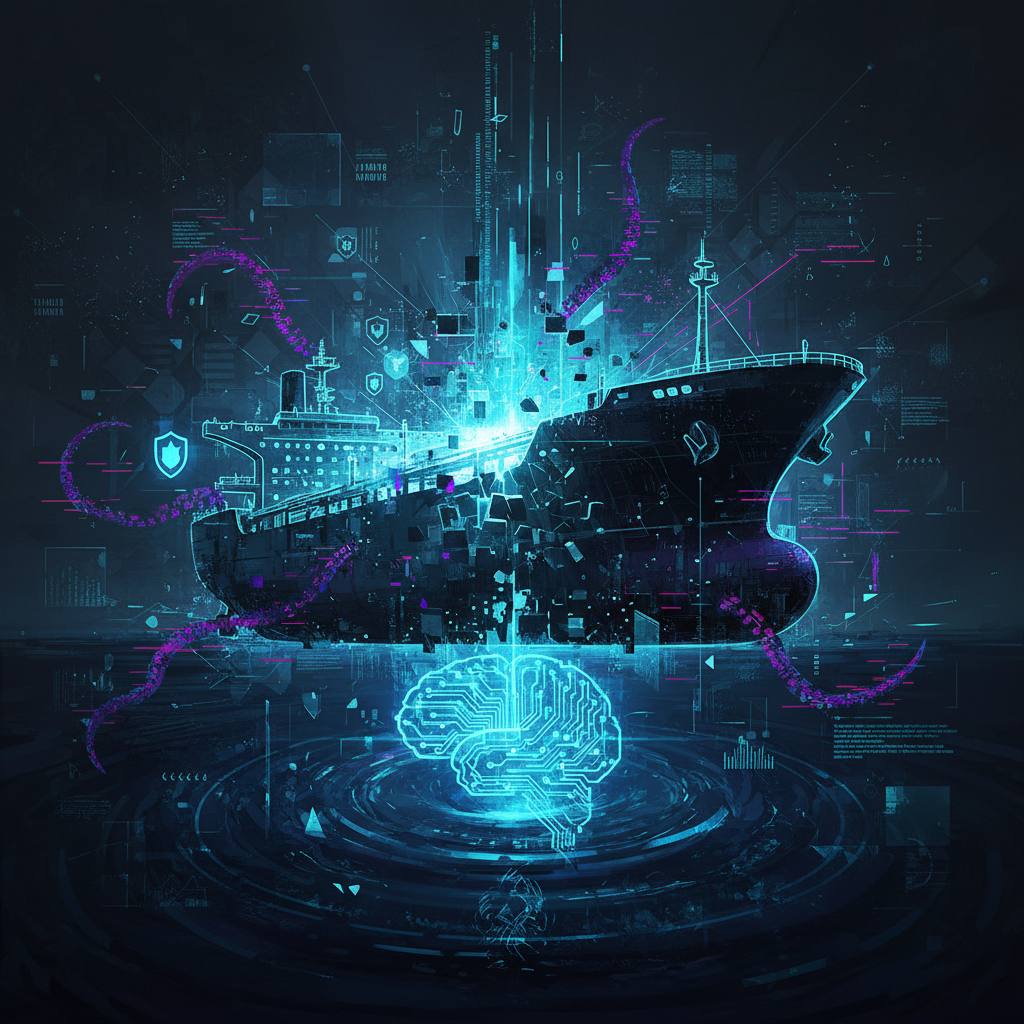
Oil Tanker Cyberattack: Lessons in Incident Response & Recovery
September 18, 2026
A recent cyberattack on an oil tanker in the Gulf of Mexico highlights the critical importance of robust incident response and recovery capabilities for all organizations, especially those in critical infrastructure.
A recent cyberattack targeting an oil tanker in the Gulf of Mexico underscores the growing threat of cyber warfare and the urgent need for robust incident response and recovery strategies. This incident, involving "foreign cyber actors" as reported by The Record, saw U.S. law enforcement and Coast Guard personnel board a vessel to secure its operational and information technology systems. It's a stark reminder that cyber threats are not just digital; they can have immediate, physical world consequences, impacting critical infrastructure and national security.
The Incident: A Glimpse into Cyber-Physical Threats
The U.S. Coast Guard and FBI swiftly responded to an apparent cyberattack on an oil tanker. Details regarding the nature of the attack, such as the specific methods employed by the foreign cyber actors, remain limited. However, the intervention indicates a significant concern that the vessel's operational technology (OT) or information technology (IT) systems had been compromised, potentially jeopardizing its safe operation, cargo, or navigation. Such an event could lead to severe economic disruption, environmental damage, or even loss of life.
Potential Attack Vectors
While the specific attack vector has not been publicly disclosed, several common methods could have been employed. These include phishing attacks targeting vessel personnel, exploiting vulnerabilities in internet-connected ship systems (such as navigation, engine control, or cargo management), or compromising supply chain software used for vessel operations. Maritime operations are increasingly reliant on digital systems, making them attractive targets for adversaries aiming to disrupt global trade or conduct espionage.
"The convergence of IT and OT systems means that a cyberattack is no longer just about data theft; it can directly impact physical assets and human safety, demanding a unified and rapid response."
Business Impact and Broader Implications
The immediate business impact on the shipping company involved would include operational downtime, potential cargo loss, and significant financial costs associated with the incident investigation and remediation. Beyond the direct financial hit, there are profound implications for reputation and regulatory scrutiny. For critical infrastructure sectors like maritime transport, such incidents can also elevate national security concerns, prompting governmental bodies like the Coast Guard and FBI to intervene.
Lessons Learned from the Tanker Attack
This incident provides crucial insights for all organizations, particularly those operating in critical infrastructure. It highlights the necessity of proactive cybersecurity measures and the capability to respond effectively when prevention fails. Understanding your digital footprint, both IT and OT, is the first step toward building resilience against sophisticated attacks.
Prioritize Operational Technology Security
Many organizations focus heavily on IT security, sometimes overlooking the equally critical operational technology environments that control physical processes. This incident underscores that OT systems, whether on a ship or in a manufacturing plant, are direct targets. Securing these systems requires specialized knowledge and dedicated strategies to prevent disruptions that can lead to physical harm or widespread service outages.
Implement Robust Incident Response Plans
The swift boarding by U.S. authorities demonstrates the urgency required in such situations. Organizations must have a well-defined and regularly tested incident response plan. This plan should detail communication protocols, clear roles and responsibilities, technical steps for containment and eradication, and recovery procedures. Without such a plan, response efforts can be chaotic, leading to prolonged downtime and increased damage.
Consider involving external experts for cybersecurity strategy and consulting to help develop and refine these critical plans.
Enhance Employee Cybersecurity Awareness
Human error remains a significant factor in many cyber incidents. Comprehensive cybersecurity awareness and phishing training for all employees, from the deckhands to the executives, is paramount. Personnel must be able to recognize social engineering attempts and understand the importance of reporting suspicious activity immediately. A well-trained workforce is often the strongest defense.
Strengthen Supply Chain Security
As organizations become more interconnected, the security posture of partners and suppliers directly impacts their own. This incident could have originated from a compromise within the maritime supply chain. Implementing vendor risk management and ensuring that all third parties adhere to stringent security standards is vital. Tools like dark web credential monitoring can help detect compromises early.
Continuous Vulnerability Management
Attackers constantly seek new vulnerabilities. Regular vulnerability assessments and penetration testing are essential to identify and remediate weaknesses in both IT and OT systems before adversaries can exploit them. Proactive scanning and patching help maintain a strong defensive posture against evolving threats.
How Lyra Helps
Lyra specializes in helping organizations prepare for and recover from complex cyberattacks, such as the one experienced by the oil tanker. Our Incident Response & Recovery services are designed to minimize damage, accelerate recovery, and build long-term resilience. We offer comprehensive solutions that cover everything from proactive threat intelligence to hands-on breach containment.
Our team provides expertise in areas like managed detection and response, ensuring 24/7 monitoring and rapid intervention. Should a breach occur, our professionals can swiftly contain the threat, eradicate malicious presence, and guide your organization through the complex recovery process, restoring operations and strengthening your security posture against future attacks. From assessing your current risks to implementing robust controls, Lyra ensures your business is protected.
Contact Lyra today to discuss your incident response needs and fortify your defenses against the next cyber threat. Visit lyra.com/contact to learn more about how we can safeguard your critical assets.