Understanding Social Engineering Attacks: Lessons for Organizations
August 14, 2026
The FBI recently warned about hackers using social engineering to breach accounts and steal private content. This alert highlights critical vulnerabilities for individuals and offers key lessons for organizations to strengthen their cybersecurity defenses against similar tactics.
The recent FBI alert regarding hackers leveraging social engineering to breach accounts and steal private content underscores a persistent and evolving threat landscape. While the alert focused on personal accounts, the techniques described—social engineering, leaked passwords, and spoofed websites—are identical to those used against businesses. Understanding these tactics is crucial for organizations to protect their sensitive data and maintain operational integrity.
The FBI's Warning: Social Engineering Tactics
The Federal Bureau of Investigation (FBI) recently issued a warning about attackers employing sophisticated social engineering techniques to compromise individual accounts. These threat actors exploit human psychology, often posing as trusted entities or exploiting personal relationships, to manipulate victims into revealing sensitive information. The objective is frequently to gain access to accounts containing private data, such as explicit content, which can then be used for extortion or sold on illicit markets. This type of breach highlights that even seemingly personal attacks can have broader implications, revealing vulnerabilities that exist across all digital interactions.
Common Attack Vectors
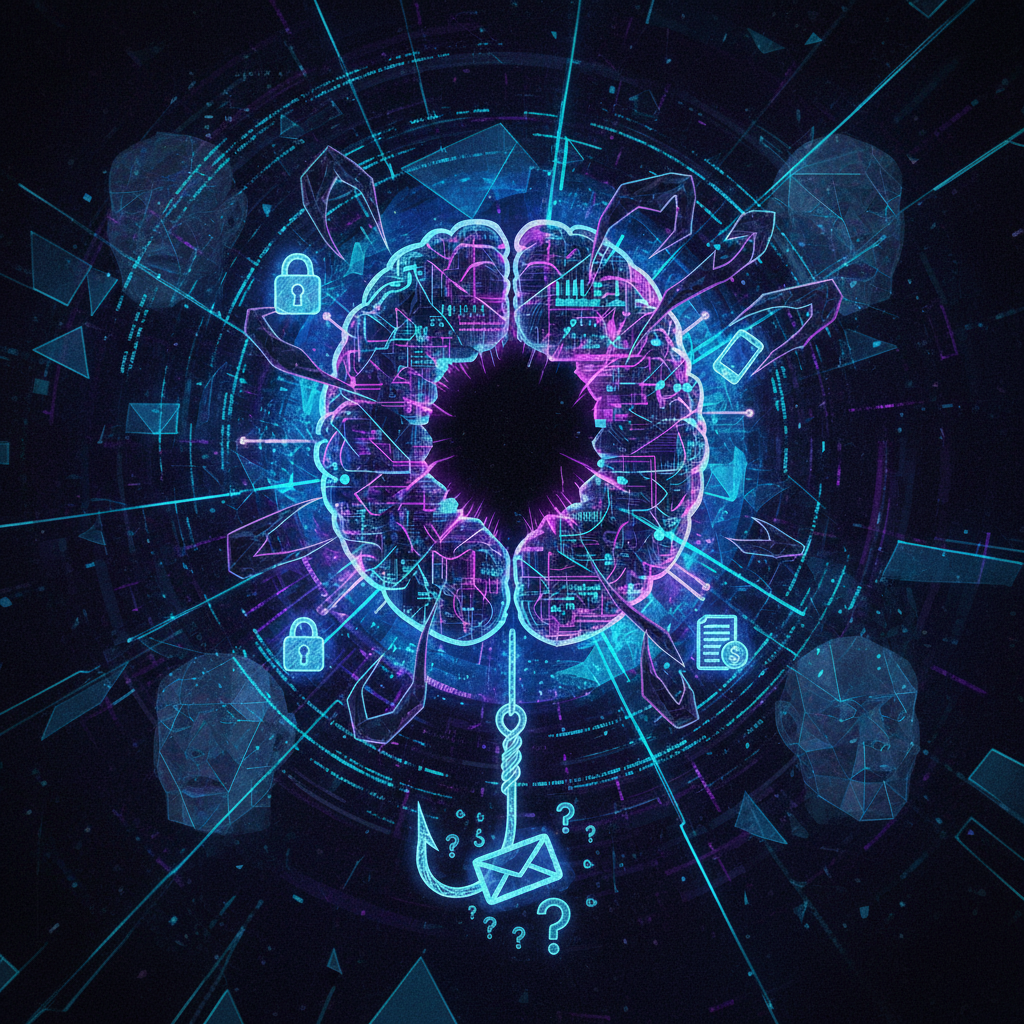
Attackers don't rely on a single method. Instead, they combine several vectors to achieve their goals. The FBI report specifically cited three primary methods:
Social Engineering
This remains a highly effective method. Attackers craft convincing narratives, often leveraging current events, personal interests, or urgent requests, to trick individuals. They might impersonate colleagues, IT support, or even government officials. The goal is always to bypass technical security controls by manipulating human behavior. Education and awareness are critical countermeasures.
Leaked Passwords and Credential Stuffing
Stolen credentials from previous data breaches are a goldmine for attackers. Once obtained, these leaked passwords are often tested against other platforms—a practice known as credential stuffing—because many users reuse passwords across multiple services. Organizations must recognize that their employees' personal password hygiene can directly impact corporate security. Implementing dark web credential monitoring can help identify if your employees' credentials have been compromised.
Spoofed Social Media and Phishing Sites
Attackers create convincing fake websites or social media login pages that mimic legitimate services. These spoofed sites are designed to capture login credentials when unsuspecting users attempt to log in. This phishing tactic is a foundational element of many social engineering campaigns, leading victims directly to data compromise.
"Cybersecurity is no longer just about protecting technology; it's about educating people against sophisticated human manipulation."
Business Impact: Beyond Personal Loss
While the FBI's alert focused on individual accounts, the same attack vectors pose significant risks to businesses. A successful social engineering attack against an employee can lead to:
- Data Breaches: Access to corporate networks, sensitive customer data, intellectual property, or financial records.
- Financial Loss: Direct financial theft through wire transfer fraud or ransomware payments.
- Reputational Damage: Loss of customer trust and market standing due to a publicized security incident.
- Operational Disruption: Business continuity can be severely impacted, leading to downtime and lost productivity.
- Regulatory Penalties: Non-compliance with data protection regulations following a breach can result in substantial fines. Organizations should regularly assess their posture against frameworks like NIST or CIS Controls through cybersecurity strategy and consulting to minimize these risks.
Lessons Learned for Organizations
These incidents offer clear takeaways for strengthening organizational security:
- Invest in Robust Cybersecurity Awareness Training: Employees are often the weakest link. Regular, interactive cybersecurity awareness and phishing training can equip them to recognize and report social engineering attempts. This isn't a one-time event but an ongoing process.
- Implement Multi-Factor Authentication (MFA) Everywhere: MFA adds a critical layer of security, making it significantly harder for attackers to access accounts even if they possess stolen passwords. This should be standard practice for all corporate systems and sensitive applications.
- Strengthen Identity and Access Management: Adopt a least-privilege approach, ensuring users only have access to resources absolutely necessary for their role. Solutions like Privileged Access Management (PAM) are essential for securing administrative accounts.
- Regularly Audit and Monitor for Anomalies: Proactive monitoring of network traffic, user behavior, and system logs can help detect unusual activity indicative of a breach. Services like Managed Detection and Response (MDR) provide 24/7 surveillance and rapid response capabilities.
- Develop and Practice an Incident Response Plan: No organization is immune to attacks. A well-defined and regularly tested Incident Response & Recovery plan is crucial for minimizing damage and ensuring a swift return to normal operations. This includes clear communication protocols, forensic investigation procedures, and recovery strategies.
How Lyra Helps
Lyra specializes in helping organizations prepare for, respond to, and recover from cybersecurity incidents, including those stemming from sophisticated social engineering attacks. Our comprehensive approach begins with proactive measures, such as vulnerability assessments and security awareness training, designed to harden your defenses. Should an incident occur, our expert team is ready with rapid Incident Response & Recovery services to contain threats, eradicate malware, restore systems, and conduct thorough post-incident analysis.
We provide tailored solutions that address the full spectrum of cyber threats, ensuring your business resilience. From implementing advanced security controls to providing expert guidance on compliance and risk management, Lyra is your trusted partner in navigating the complex world of cybersecurity.
Contact Lyra today to discuss your organization's cybersecurity needs and learn how we can help you build a stronger, more resilient defense against evolving threats.