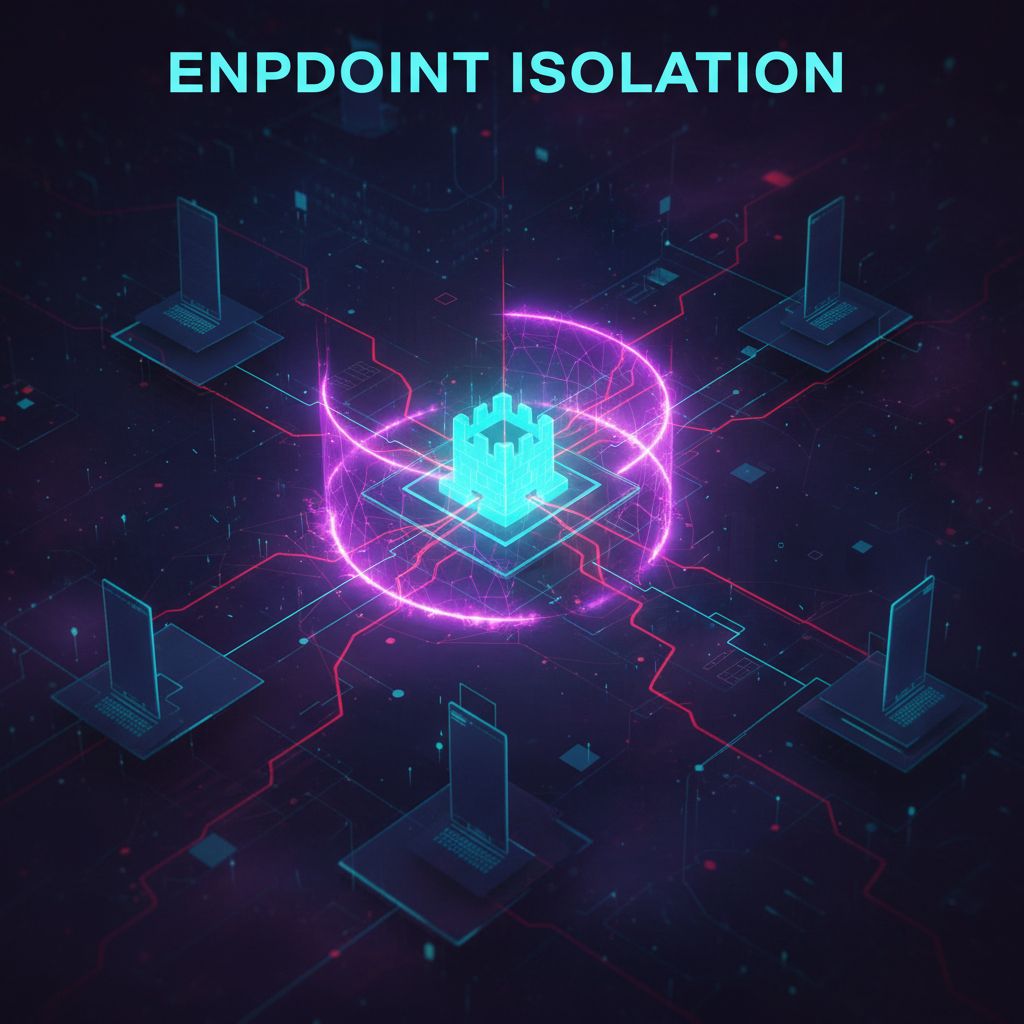
Endpoint Isolation: A New Defense Against Cyberattack Lateral Movement
May 28, 2026
Microsoft introduces automatic endpoint isolation in Defender for Endpoint, aiming to shut down lateral movement by attackers. This crucial update can significantly reduce the impact of cyberattacks by containing threats before they spread across a network. Protecting your organization requires understanding and implementing such advanced security measures.
A new development in cybersecurity defenses aims to bolster an organization’s ability to thwart sophisticated cyberattacks. Specifically, Microsoft Defender for Endpoint is testing a capability to automatically isolate compromised endpoints. This feature directly tackles the critical challenge of preventing lateral movement by attackers once they have breached an initial system. For organizations, this represents a significant step towards minimizing the impact of a successful intrusion.
Lateral movement is a technique where attackers gain access to one system and then use it as a launching pad to compromise other systems within the same network. This often happens before an organization is fully aware of the initial breach. By automatically isolating a compromised endpoint, the attack chain can be immediately disrupted, limiting the attacker's reach and reducing potential damage.
What Happened: Proactive Endpoint Containment
As reported by BleepingComputer, Microsoft is piloting a new feature within Defender for Endpoint designed to automatically quarantine devices exhibiting signs of compromise. This isn't merely about detecting a threat; it's about taking immediate, automated action to neutralize it before it escalates. The system uses behavioral analysis and threat intelligence to identify suspicious activity that indicates a breach, such as peculiar network connections or unauthorized access attempts to sensitive data. Once identified, the endpoint is cut off from the rest of the network, preventing the attacker from moving further.
This proactive approach contrasts with traditional methods that often rely on manual intervention after an alert. While manual response remains vital, the speed of automated isolation can be a game-changer in scenarios where every second counts. The goal is to quickly contain the threat and buy valuable time for security teams to investigate and remediate the incident thoroughly.
Attack Vector: Disrupting Lateral Movement
The primary attack vector this new capability addresses is lateral movement. Attackers rarely stop at gaining access to a single endpoint. Their objective is often to escalate privileges, access critical data, or deploy ransomware across the entire network. Without effective containment, a single compromised workstation can quickly become an organizational catastrophe.
"In cyber incidents, speed is paramount. The faster you can contain a threat and prevent its spread, the less damage your organization will suffer."
Historically, security teams would need to manually disconnect a device or reconfigure network access control lists. This process is often time-consuming and can be error-prone, giving attackers a window of opportunity to continue their operations. Automated endpoint isolation closes this window significantly, making it much harder for cybercriminals to achieve their broader objectives. This becomes a critical component of any robust Managed Detection and Response strategy.
Business Impact of Unchecked Lateral Movement
The business impact of unchecked lateral movement can be catastrophic. Beyond the immediate operational disruption, organizations face:
- Data Breach: Exposure of sensitive customer, employee, or proprietary data, leading to regulatory fines and reputational damage.
- Ransomware Deployment: Widespread encryption of systems and data, bringing operations to a standstill and demanding significant ransom payments.
- Intellectual Property Theft: Loss of trade secrets, blueprints, or competitive information that can undermine market position.
- Reputational Damage: Erosion of customer trust and market standing, which can be difficult and expensive to rebuild.
- Recovery Costs: Significant expenses related to investigation, remediation, system rebuilding, and legal fees. Quantifying these risks is where a Cyber Financial Risk Impact Assessment becomes invaluable.
Lessons Learned: Emphasizing Automation and Speed
The most significant lesson from this development is the increasing importance of automation and speed in cybersecurity. Attackers operate with speed; defenses must match or exceed that pace. Relying solely on human reaction time can leave organizations vulnerable to widespread damage.
Another key takeaway is the need for integrated security solutions. Defender for Endpoint's new feature demonstrates the power of a unified platform that can detect threats and automatically initiate response actions. This integration streamlines security operations and reduces the complexity of managing disparate tools. Effective endpoint protection is a cornerstone of modern cybersecurity, and services like Endpoint Detection and Response (EDR) offer deep visibility and capabilities for prevention and response.
Actionable Takeaways for Your Organization
To better prepare for and mitigate the impact of cyber incidents, consider these actionable steps:
- Embrace Automated Response Capabilities: Invest in security solutions that offer automated containment and response features. While no technology is a silver bullet, automating initial responses significantly reduces the window of opportunity for attackers.
- Strengthen Endpoint Security: Ensure all endpoints are protected with advanced security solutions that include EDR and next-generation antivirus capabilities. Regular patching and configuration hardening are also essential.
- Develop and Practice an Incident Response Plan: A well-defined incident response plan is crucial. This plan should include clear roles, responsibilities, communication protocols, and steps for containment, eradication, and recovery. Regularly test this plan through drills and simulations.
- Implement Network Segmentation: Segment your network to create barriers between critical assets and general user environments. This limits an attacker's ability to move laterally even if an initial compromise occurs, buying more time for your team to respond.
- Prioritize User Training: Implement comprehensive cybersecurity awareness and phishing training for all employees. A well-informed workforce is the first line of defense against many initial attack vectors.
How Lyra Helps
Navigating the complex landscape of cybersecurity threats requires expertise and robust solutions. Lyra's Incident Response & Recovery services are designed to help organizations prepare for, respond to, and recover from cyber incidents efficiently and effectively. Our team of experts works with you to develop tailored incident response plans, implement advanced security technologies, and provide rapid assistance when an incident occurs.
From proactive measures like Vulnerability Assessments and Penetration Testing to immediate breach hunting and automated remediation, Lyra ensures your business is resilient against evolving threats. We help you establish comprehensive security controls, leverage cutting-edge solutions, and minimize the business impact of cyberattacks.
Protect your organization from the escalating threat of cyberattacks. Contact Lyra today to learn more about our Incident Response & Recovery services and how we can strengthen your cybersecurity posture.